


As outdoor shading and agricultural protection industries expand globally, HDPE shade nets have become essential supplies for greenhouse planting, garden shading, courtyard sun protection and outdoor engineering projects. Two main types dominate the market: shade nets made of 100% brand-new virgin HDPE pellets, and low-cost alternatives blended with recycled plastic scraps. Though they look similar at first glance, the two materials create massive gaps in weather resistance, service life, physical performance and application safety, directly impacting your long-term usage cost and practical effects.
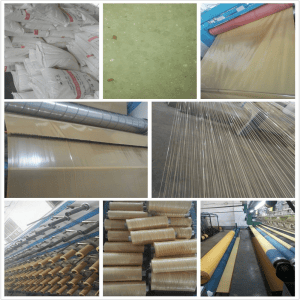
1. Production & Raw Material Formula
Premium 100% virgin HDPE shade nets adopt brand-new high-density polyethylene particles as core raw materials, mixed with high-efficiency UV stabilizers and anti-oxidant master batches. All functional additives are evenly blended into raw materials in advance, then fused into yarn molecular structures through high-temperature extrusion, stretching and warp knitting. This mature manufacturing formula endows virgin-material nets with stable anti-aging and UV-blocking capabilities from the inside out.
In contrast, recycled shade nets are produced from waste plastic film, old broken nets and recycled plastic pellets. Repeated melting and processing severely damages the molecular chain of recycled plastics, leaving large amounts of impurities inside. To cut production costs, most manufacturers slash or even eliminate UV anti-aging additives, which results in extremely weak outdoor weather resistance.
2. Appearance & Surface Texture
Virgin HDPE shade nets feature uniform, clean color without mottled stains or black impurity spots. Mesh holes are regular and evenly spaced, with smooth flat surfaces and stable light transmission. The woven flat yarns are neatly arranged, delivering consistent shading effects all year round.
Recycled shade nets show obvious color deviation and scattered black impurity particles on the surface. The mesh size is irregular, and yarns look messy and uneven, failing to provide balanced shading for crops or outdoor spaces.
3. Physical Performance & Wind Resistance
Virgin material nets boast outstanding flexibility and tensile strength. They resist breaking and loose threads after cutting, and reinforced selvedges effectively withstand strong wind and external pulling force. Even after years of outdoor exposure, the net structure stays intact without deformation or embrittlement. Their outdoor service life can reach 3–8 years, with shading rate remaining unchanged long-term.
Recycled plastic yarns are brittle and lack elasticity, with terrible tensile and wind resistance. Minor pulling or strong wind will cause broken threads, collapsed edges and distorted mesh. After only 6–12 months under continuous sunlight, recycled nets turn brittle and crack completely, losing all shading and protective functions.
4. Safety & Environmental Performance
High-quality virgin HDPE shade nets only release a faint mild plastic odor, with no toxic volatile substances even under long-term high-temperature sun exposure. They fully meet safety standards for greenhouse crop cultivation, fruit & vegetable planting and residential courtyard shading, posing zero harm to plant growth and human living environments.
Recycled shade nets give off sharp, pungent chemical and rotten odors when heated by sunlight. Harmful chemical substances will precipitate continuously, polluting soil and air, and suppressing the normal growth of fruits, vegetables and seedlings. They are not recommended for agricultural planting or residential shading scenarios at all.
5. Long-Term Cost Performance
Many buyers only focus on the low upfront price of recycled shade nets, ignoring frequent replacement and maintenance expenses. Cheap recycled nets need to be replaced every single year, which creates far higher total costs over time.
100% virgin HDPE shade nets feature stable performance, ultra-long service life and zero hidden safety hazards. They are widely favored by high-end markets across Europe, America, Australia and other regions, perfectly matching long-term engineering projects, commercial garden shading and large agricultural planting bases.
Industry professionals predict that as global outdoor protection standards keep upgrading, high-purity virgin HDPE shading products will gradually replace inferior recycled nets and become the mainstream choice of the whole industry.
If you want to learn more about durable virgin-material sunshade products including shade nets and tarpaulins, visit our homepage to check full product ranges. We provide professional one-stop consultation and customized solutions for global clients.
Previous Post: Yantai Double Plastic Carries Out Festival Welfare Activities for Staff
Next Post: Indian Customers Visit Our Factory & Sign Long-Term Supply Cooperation Agreement


 WhatsApp


