


Greenhouse sun shade netting has become an indispensable auxiliary facility for modern agricultural greenhouse planting. It solves the core pain points of traditional greenhouses, such as excessive sunlight exposure, overheating in summer, plant sunburn and rapid water loss. By scientifically adjusting light transmittance, temperature and humidity, it creates a stable and suitable microclimate environment for crops, effectively improving planting yield and quality, and realizing efficient gre enhouse production throughout the year.
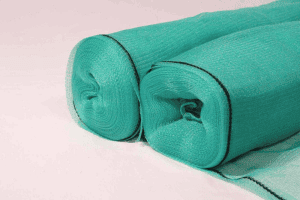
Different from ordinary garden shading nets, professional greenhouse sun shade netting is specially optimized for the closed growth environment of greenhouses. Made of high-quality UV-stabilized HDPE material, it features lightweight, high toughness, anti-aging and weather resistance. It can resist long-term solar ultraviolet radiation and wind and rain erosion, maintaining stable shading performance for many years without brittle fracture or deformation. This durable structure makes it suitable for long-term use in commercial planting bases, family greenhouses and seedling nurseries .
The core advantage of greenhouse sun shade netting lies in its adjustable shading rate. Conventional products support customized shading rates from 30% to 80%, which can accurately match the growth needs of different crops. For leafy vegetables and young seedlings that are afraid of strong light, a 60%-70% shading rate can effectively avoid leaf scorch and seedling wilting caused by high temperature and strong sunlight. For fruit vegetables such as tomatoes and peppers that need sufficient scattered light, a 30%-40% low shading net can block harsh direct light while ensuring sufficient photosynthesis, balancing growth speed and fruit quality .
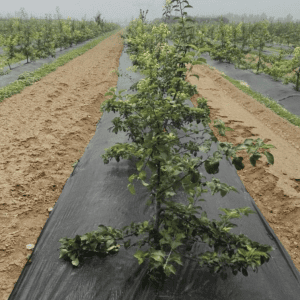
Temperature regulation is another key function of greenhouse sun shade netting. In hot summer, direct sunlight will cause the internal temperature of the greenhouse to soar above 38°C, exceeding the tolerance range of most crops, leading to growth stagnation, flower and fruit drop. The shade net can effectively block solar thermal radiation, reduce the internal temperature of the greenhouse by 5-10°C, and greatly reduce plant heat stress. At the same time, it can slow down the evaporation of soil and leaf water, reduce the frequency of irrigation, and save water resources and planting costs to a great extent .
Greenhouse sun shade netting is divided into two installation modes: external shading and internal shading, with their own unique advantages. External sun shade netting is installed on the top and outside of the greenhouse, which can isolate most heat and ultraviolet radiation before it enters the greenhouse, with more prominent cooling and shading effects, suitable for high-temperature and strong light areas. Internal shading netting is installed inside the greenhouse, featuring simple installation, flexible disassembly, no impact on greenhouse ventilation, and suitable for daily fine-tuning of light and temperature .
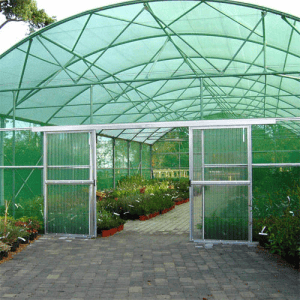
In addition to core shading and cooling functions, high-quality greenhouse sun shade netting also has multiple auxiliary values. It can block hail, strong wind and flying dust, protect crops from mechanical damage, and reduce the invasion of partial pests. The breathable mesh structure ensures smooth air circulation inside the greenhouse, avoids stuffy heat and mildew growth caused by air closure, and effectively reduces the incidence of crop diseases. Moreover, the green and black mainstream color matching is beautiful and neat, which can beautify the planting environment while ensuring performance .
Many growers ignore the importance of targeted selection of shade nets, resulting in poor growth effects. In fact, seasonal and crop matching is crucial. In spring and autumn with mild light, low shading rate netting is recommended to ensure sufficient light for crop growth; in hot summer with intense ultraviolet rays, medium and high shading rate netting is prioritized for cooling and protection. For seedling cultivation, high-precision shading nets are essential to stabilize the seedling survival rate; for mature fruit and vegetable planting, moderate light transmission is guaranteed to promote sugar accumulation and improve commodity value .
Compared with traditional shading methods such as straw mats and plastic cloths, modern greenhouse sun shade netting has obvious comprehensive advantages. It is lightweight and easy to install and store, supports rolling and retractable use, and can adjust the shading state at any time according to weather changes. It has strong durability, low later maintenance cost, and will not mildew or rot in humid greenhouse environment. It is a cost-effective and high-efficiency agricultural shading solution for long-term planting .
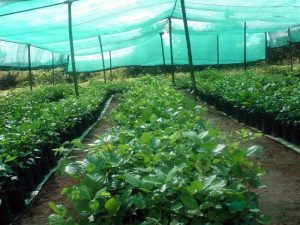
In conclusion, greenhouse sun shade netting is not a simple sun-shading tool, but a key equipment for greenhouse intelligent microclimate regulation. It precisely solves various growth obstacles caused by unbalanced light and temperature in greenhouses, helps growers break seasonal planting restrictions, realizes stable yield and high-quality growth of crops in all seasons, and is an essential configuration for modern standardized greenhouse planting.
Looking for reliable greenhouse sun shade netting with stable shading rate, long anti-UV service life and factory direct supply? Our HDPE Plastic Net supports customization on shading ratio, size and color, perfectly suitable for greenhouse internal & external shading, seedling cultivation and farm plantation. Rigorous raw material inspection and mature manufacturing process deliver excellent tensile strength and anti-aging performance, effectively cutting greenhouse cooling expenses, preventing crops from sun scald and securing stable annual yield growth. Feel free to contact us for detailed product catalog and competitive wholesale quotation to get tailored high cost-performance shading solutions for your greenhouses!HUIFA NETTING, Professional Manufacturer of Farm Sun Shade Netting


 WhatsApp


